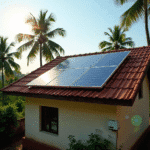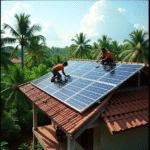

As electricity prices continue to rise and environmental concerns grow, more homeowners are turning to solar energy as a reliable and sustainable solution. Installing a solar rooftop system not only reduces your electricity bills but also helps lower your carbon footprints and contributes to a cleaner planet.
However, choosing the right solar system for your home can feel overwhelming. With various solar panels, inverters, and system types available, many homeowners struggle to decide which solar solutions are best for their needs.
In this comprehensive guide, we will walk you through everything you need to know about selecting the right solar panel system for your home. 🌱
🌞 Why Solar Energy is the Future of Home Power
4
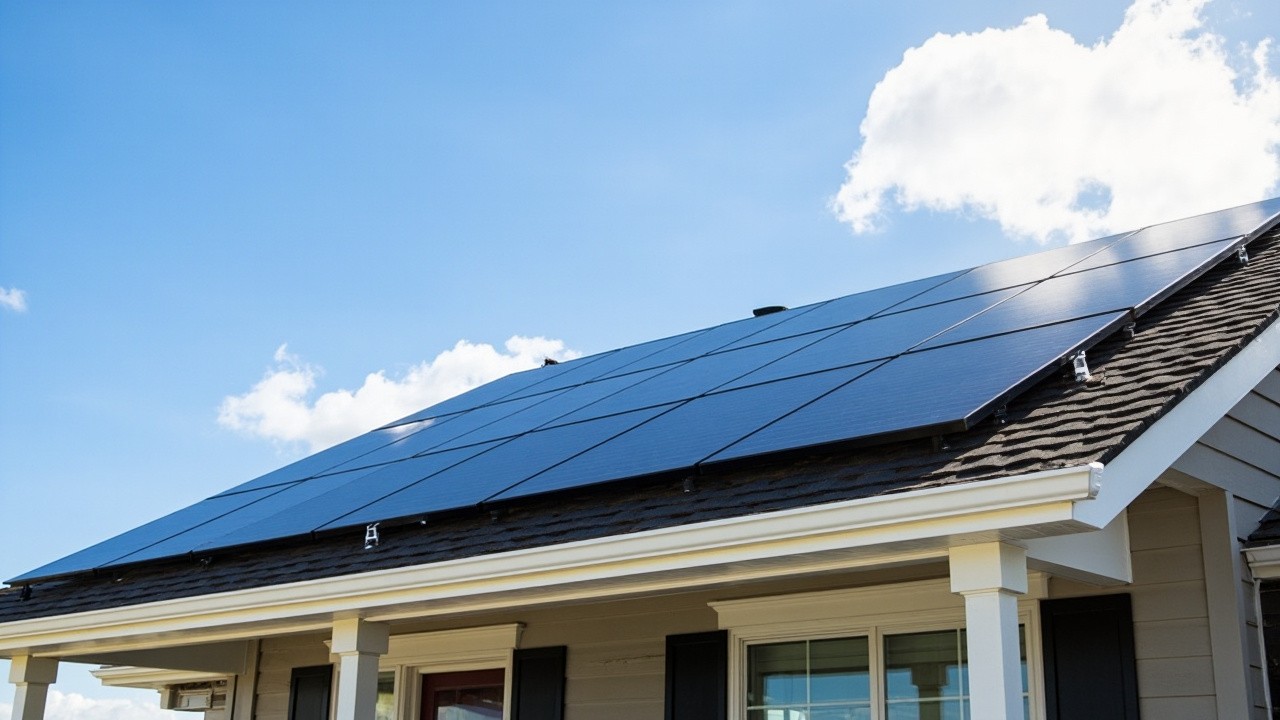
Solar energy has become one of the most popular renewable energy sources worldwide. Homeowners are increasingly adopting solar power systems because they are clean, efficient, and cost-effective.
Benefits of Installing a Solar System
⚡ Lower Electricity Bills
A properly designed solar power system can significantly reduce your monthly electricity costs.
🌍 Eco-Friendly Energy
Solar energy is clean and reduces your carbon footprints, helping protect the environment.
🏠 Increase Property Value
Homes with solar rooftop systems often have higher resale value.
🔋 Energy Independence
With the right solar solutions, you can reduce reliance on grid electricity.
💰 Government Subsidies
Many regions provide incentives and subsidies for residential solar installations, making them more affordable.
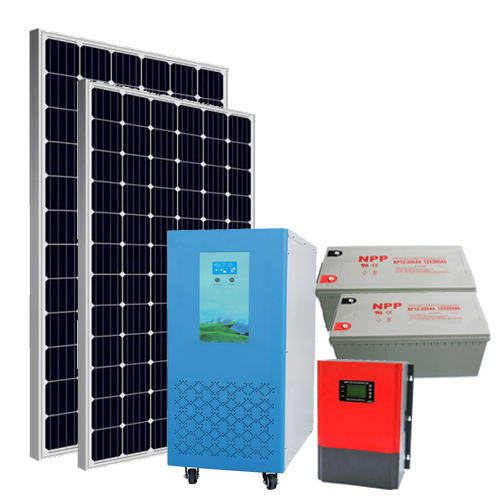
🏠 Types of Solar Panel Systems for Homes
4
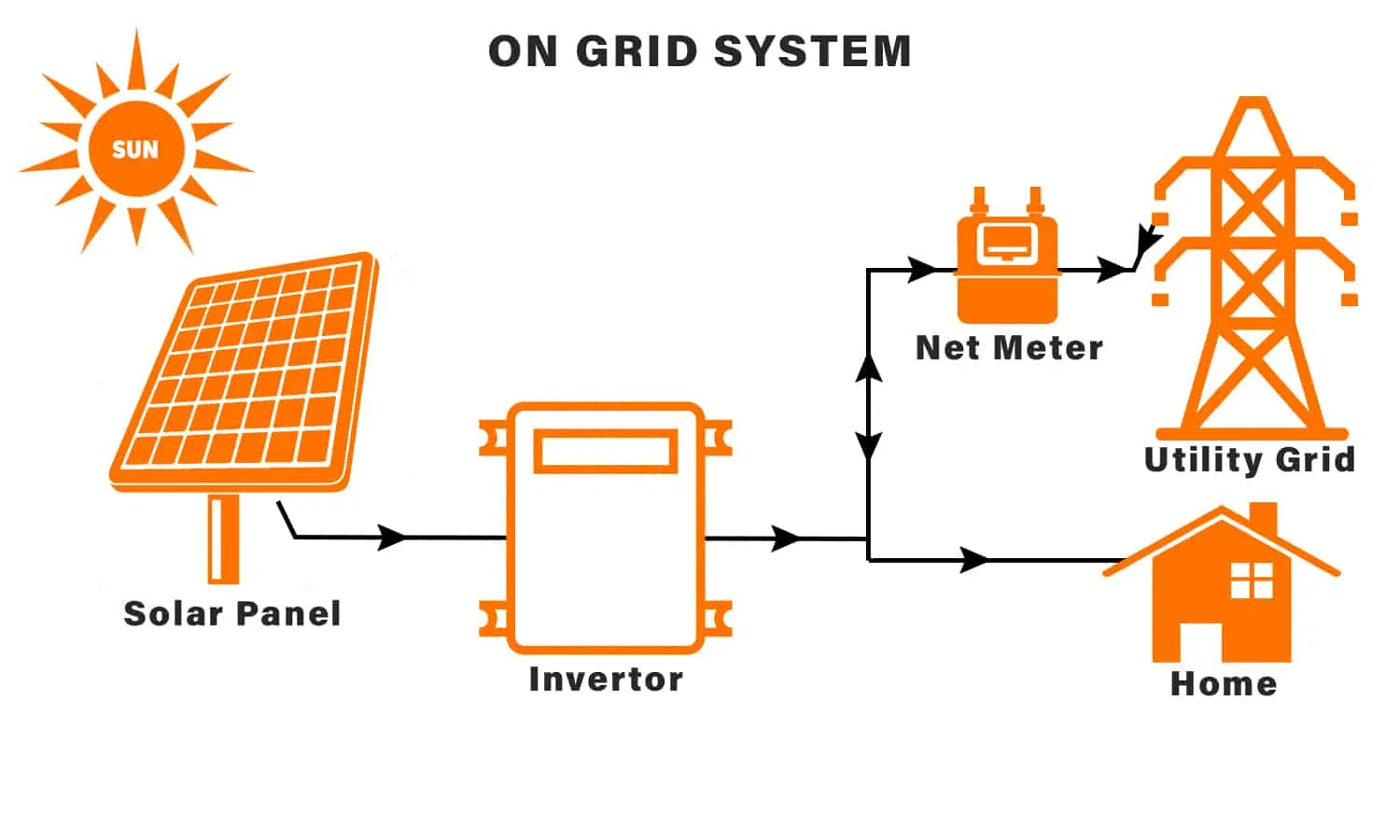
Understanding the different types of solar systems is the first step in choosing the right solution for your home.
1️⃣ On-Grid Solar System
An on-grid solar system is connected directly to the electricity grid.
Advantages
✔ Lower installation cost
✔ No battery required
✔ Excess power can be exported to the grid
Best For
Homes with reliable electricity supply.
This is one of the most commonly installed solar rooftop systems due to its cost efficiency.
2️⃣ Hybrid Solar System
A hybrid solar system combines solar panels, grid connection, and battery storage.
Advantages
✔ Provides power backup during outages
✔ Stores excess solar energy
✔ Reduces grid dependency
Best For
Homes that experience frequent power cuts.
Although slightly higher in cost, hybrid systems offer the perfect balance between solar power reliability and energy independence.
3️⃣ Off-Grid Solar System
An off-grid solar system operates completely independent of the utility grid.
Advantages
✔ Complete energy independence
✔ Ideal for remote areas
✔ Battery backup available
Best For
Locations where grid electricity is not available.
These systems require larger battery banks and higher solar panel capacity.
⚡ Key Factors to Consider Before Choosing a Solar System
Selecting the right solar power system requires careful evaluation of several factors.
🔍 1. Your Home’s Energy Consumption
Start by checking your electricity bills from the last 12 months.
This helps determine:
• Required solar system capacity
• Number of solar panels needed
• Expected energy generation
For example:
| Monthly Consumption | Recommended Solar System |
|---|---|
| 200 – 300 units | 2 kW solar system |
| 400 – 600 units | 3 – 5 kW solar system |
| 700 – 1000 units | 7 – 10 kW solar system |
Choosing the correct system size ensures optimal solar energy production.
☀️ 2. Roof Space and Orientation
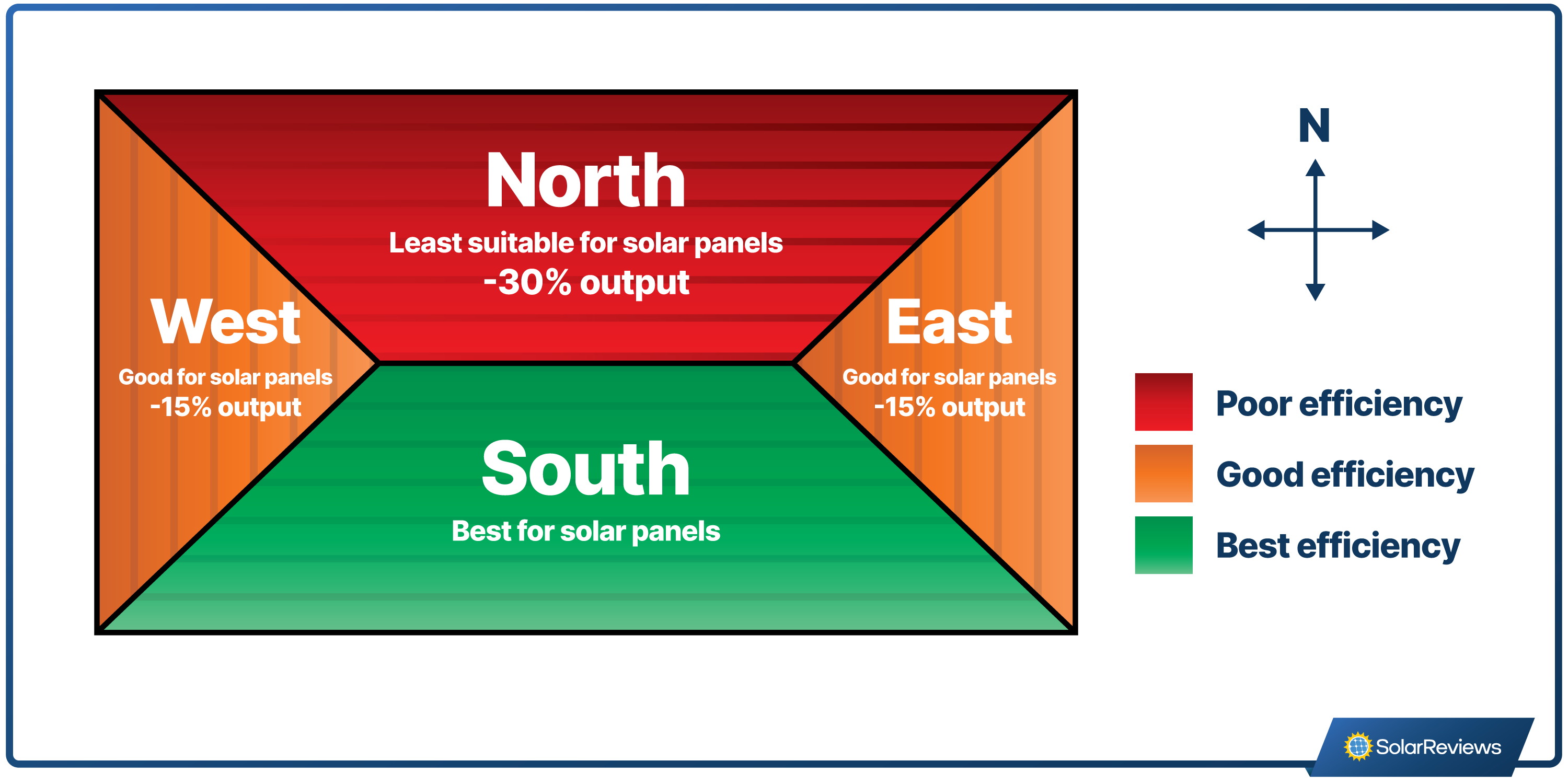
Your solar rooftop area plays a crucial role in determining the number of panels that can be installed.
Things to Consider
📐 Available roof area
☀ Sunlight exposure
🧭 Roof orientation (South-facing roofs perform best)
🌳 Avoid shade from trees or buildings
Typically:
• 1 kW solar system requires 80–100 sq ft roof space
🔋 3. Solar Panel Type
There are different types of solar panels available in the market.
Monocrystalline Panels
✔ Higher efficiency
✔ Better performance in limited space
✔ Longer lifespan
Polycrystalline Panels
✔ Lower solar panel price
✔ Suitable for larger roof spaces
Most leading solar companies recommend monocrystalline panels for residential solar rooftop systems.
🔌 4. Choosing the Right Solar Inverter
The inverter is the heart of any solar system because it converts DC electricity from panels into usable AC power.
Common types include:
⚡ String Inverters
⚡ Micro Inverters
⚡ Hybrid Inverters
When comparing options, consider:
• Efficiency
• Warranty
• Compatibility with batteries
• Solar inverter price
A good inverter ensures maximum solar power efficiency.
💰 5. Solar Panel Price and Installation Cost
Cost is an important factor when choosing solar solutions.
The price of a solar system depends on:
• System capacity
• Panel brand
• Inverter type
• Installation complexity
• Battery storage
Approximate Solar Panel System Price
| Solar System | Estimated Price |
|---|---|
| 2 kW | ₹1.2 – ₹1.5 Lakhs |
| 3 kW | ₹1.8 – ₹2.2 Lakhs |
| 5 kW | ₹2.8 – ₹3.5 Lakhs |
| 10 kW | ₹5 – ₹6 Lakhs |
Government subsidies can significantly reduce installation cost.
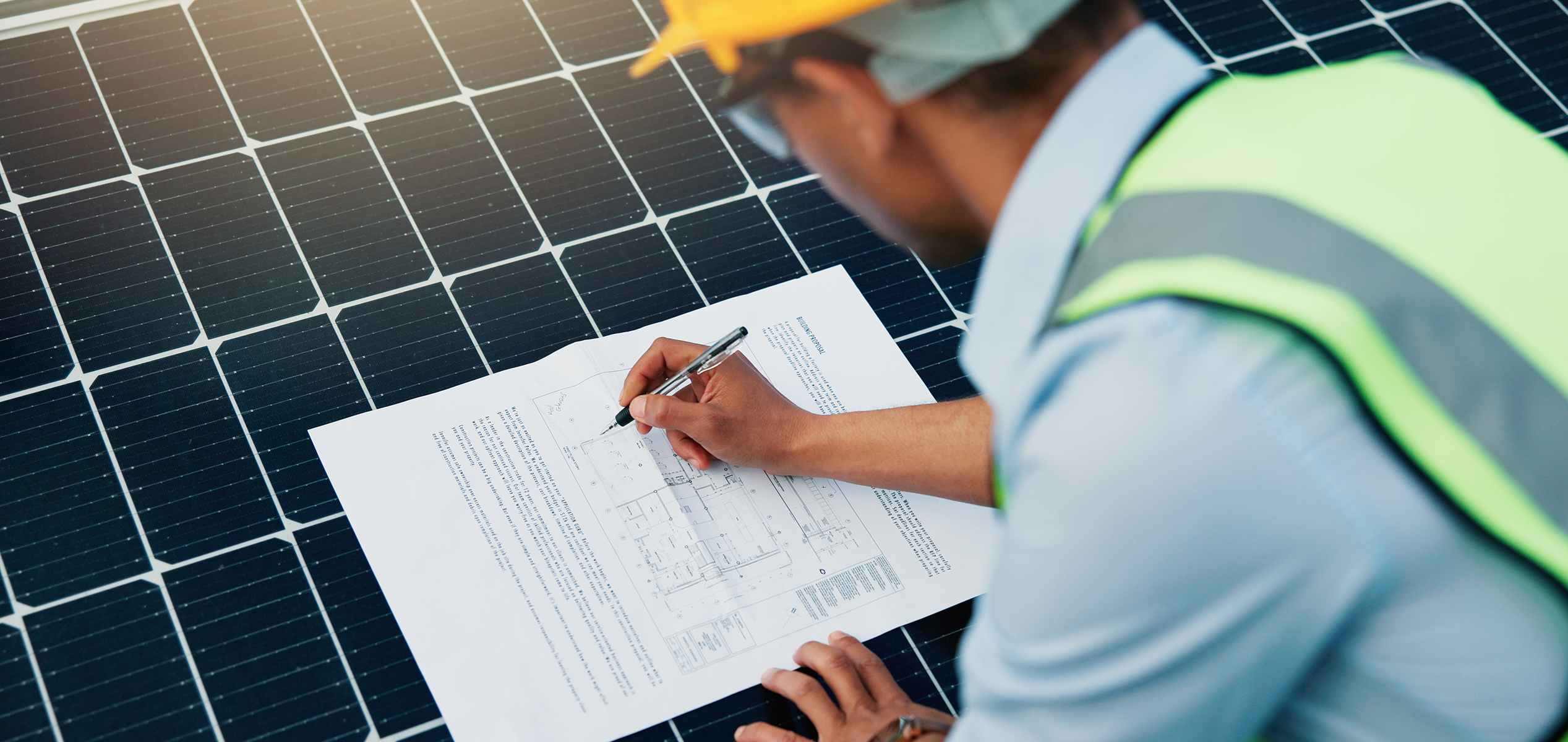
🏆 6. Choosing a Reliable Solar Company
4
Selecting a leading solar company is crucial for long-term performance and customer satisfaction.
Look for the Following
✔ Experience in residential solar installations
✔ High-quality solar panels and inverters
✔ Good customer reviews
✔ Long warranty support
✔ After-sales service
Professional solar companies ensure proper system design and installation for maximum efficiency.
🌍 Environmental Benefits of Solar Power
Installing a solar power system contributes significantly to environmental sustainability.
Key Environmental Advantages
🌱 Reduces carbon footprints
🌱 Promotes renewable energy adoption
🌱 Decreases reliance on fossil fuels
🌱 Supports sustainable energy future
A 5 kW solar rooftop system can offset nearly 6–7 tons of carbon emissions annually.
🔧 Solar System Maintenance Tips
Once installed, solar panels require minimal maintenance.
Simple Maintenance Practices
🧼 Clean panels every 2–3 months
🌿 Remove leaves or dust
🔍 Monitor system performance regularly
⚙ Schedule annual inspection
Proper maintenance ensures long-term reliable solar power generation.
📊 How Much Solar Power Can Your Home Generate?
Solar power generation depends on:
• Location
• System capacity
• Sunlight availability
Example for India:
| Solar System Size | Monthly Generation |
|---|---|
| 2 kW | 240 – 260 units |
| 3 kW | 360 – 390 units |
| 5 kW | 600 – 650 units |
| 10 kW | 1200 – 1300 units |
This makes solar energy one of the most efficient renewable energy solutions for residential homes.
❓ Frequently Asked Questions (FAQ)
1️⃣ How many solar panels are required for a home?
It depends on electricity consumption. A typical 3 kW solar system requires around 8–10 solar panels depending on panel wattage.
2️⃣ What is the lifespan of solar panels?
Most solar panels have a lifespan of 25–30 years, making them a long-term sustainable energy investment.
3️⃣ What is the average solar inverter price?
The solar inverter price depends on type and capacity. Residential inverters typically range between ₹20,000 to ₹1,50,000.
4️⃣ Can solar panels work during power cuts?
• On-grid solar systems shut down during power cuts.
• Hybrid solar systems continue to supply power using batteries.
5️⃣ Is solar installation worth it for homes?
Yes. A residential solar rooftop system can reduce electricity bills by 70–90% while supporting renewable energy adoption.
🌞 Final Thoughts
Choosing the right solar panel system for your home requires careful consideration of energy consumption, roof space, budget, and system type.
By investing in the right solar solutions, homeowners can enjoy:
✔ Lower electricity bills
✔ Long-term savings
✔ Reduced carbon footprints
✔ Reliable renewable energy
Working with a leading solar company ensures professional solar installations, quality equipment, and long-term customer satisfaction.
As the world moves toward sustainable energy, installing a solar rooftop system is one of the smartest investments you can make for your home and the planet. 🌍☀️